A Slow City - What are the Benefits?
Discover a smarter, calmer way to experience modern city life
It may sound like something of an oxymoron. What exactly is a slow city?
Surely by their very nature cities are the very opposite of slow; and for good reason. Fast-paced cities driven by speed are successful cities and always have been. Or so the overriding belief goes.
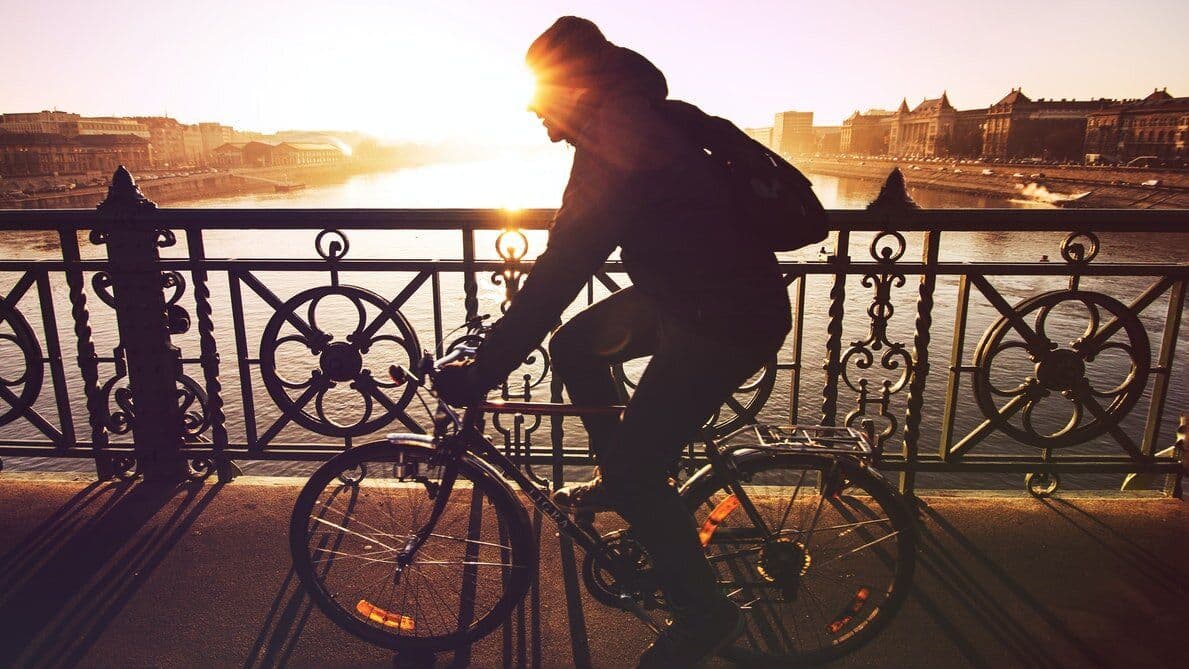
This has long been the common view on cities. The goal of many of those running cities has been to ensure faster transport, well, faster. However, there is a growing body of thought (gaining traction amongst city planners, architects and anyone who builds living and communal spaces within a city) which argues that a slow city, a city that slows down how fast its transport runs and encourages slower modes of transport such as walking, or cycling, is a better city to live in for many reasons.
The trouble with speed
The push to increase transport speeds within a city has actually ended up slowing us all down due to congestion and traffic. An over-reliance on fast modes of transport, cars for example, is actually making it more difficult for us to move around cities effectively and efficiently. This push also contributes to issues with urban living that make it more detrimental for all residents - increased air pollution, physical inactivity, insatiable demands for energy (mainly fossil fuel produced energy). A fast city is driven by the desire to get people further within a set period of time. A slow city however has different priorities, its aim is to make more within a city more accessible to people within that time.
The rise of a slow city
A fast city pushes to reduce commute times by increasing parking or creating more bus lanes. A slow city looks at what people need within a specific distance and aims to make what they need more accessible without the need for more transport infrastructure. It prioritizes providing community spaces, living spaces, and working spaces within walking or cycling distance of most urban residents. This means a different prioritization of how a city is built and how its future development is planned. A slow city is not about making people more mobile, it is about making a city more accessible without having to get people traveling fast. It also aims to promote more sustainable and healthier lifestyles while promoting healthy ways to move around a city - walking and cycling being the prime examples of this.
The how
Simply making the decision to reduce traffic speeds within a city can make a huge difference in the lives of those who live in it. In Pontevedra, a city in Spain, officials have reduced speed limits to 30km/h, and as a result between 2011 and 2018 there was not a single traffic-related death within the city. This measure also encouraged more residents to walk to their destinations and has been recognised to have improved relationships between those in the city, as they connected more while walking. At the same time, CO2 admissions dropped by an impressive 70%.
The pedestrianization of urban areas can also help create a slow city. They also provide new spaces for urban residents to come together to engage, connect and enjoy their communities. Again in Pontevedra, Spain, their pedestrianisation of 300,000 square metres in their city centre has been widely recognized as bringing multiple social, economic and health benefits to residents. And other cities are following suit in their pursuit of a slower city that is more enjoyable to live in.
In 2018 Madrid banned private cars not belonging to local residents from their city centre, in a bid to slow down the city and encourage people to navigate the city by foot and other slower means. In Iceland, Helsinki is implementing measures that will make it unnecessary for anyone to need a car to move within the city centre by 2025 - their 'mobility on demand' scheme will utilise carpools, buses, taxis, bikes and ferries in order to achieve this. Oslo is following this growing trend and banned private cars from its city centre in 2019, with car parking spaces to be turned into playgrounds, community spaces and more bike lanes. Now this is a plan for a slow city.
The pros
The reasoning behind a slow city understands that our quest for speed is not healthy nor productive necessarily. Urban centres need to find more sustainable ways to get their residents moving around a city, while developing more accessible communal and community spaces that restore and rejuvenate local areas and neighbourhoods. The drive to get us all moving around cities further is not a sustainable nor effective one. Hence the demand for schemes and measures that address this and encourage a slower approach.
At Vonder our co-living complexes are designed to be multi-use developments, with quality places to live, work, and play. We believe this new approach to living has a central role to play in the development of slower, more efficient, and healthier cities. Vonder currently has great places to live across its co living London, Berlin, Warsaw, and Dubai complexes. If you're looking for furnished flats to rent in West London, or furnished apartments for rent in Berlin, look no further than Vonder.
Vonder Community Yoga Classes in Wembley, Munich and Beyond
Community Yoga Classes in Wembley, Munich, Warsaw & More
READ MORE
Co living East London With Vonder Shoreditch
Experience the best of modern living in London
READ MORE
What are Community Spaces & why are they important?
What are Community Spaces & why they matter by Vonder
READ MORE