Energy Crisis in the UK and How to Reduce Energy Usage
UK Energy Crisis and How to Reduce Energy Use - Vonder
The UK has been hit hard by a gas shortage that pushed prices up to record highs across Europe. Learn how to reduce your energy usage.
The UK relies on natural gas as an energy source, which is why the recent gas shortage caused such a dramatic increase in energy costs.
Energy bills are expected to keep rising at least until 2023, which means that we have to rethink how we use and consume energy. This being said, there are benefits to reducing energy use. Aside from the rising costs, conserving energy also protects the planet. It limits the number of carbon emissions in the environment, which in turn produces a higher quality of life and cleaner air quality. Carbon emissions play a significant role in climate change, so cutting back is always a good thing. It also helps us sustain the resources we already have, protecting our lakes, trees, and animals.
Keeping this in mind, here are 6 tips for reducing your energy use:
1. Turn off unnecessary lights:
When you leave a room, do you remember to turn the lights off? Now is the time to begin remembering. Another way to save on your light use is to begin using daylight and task lighting more. A single south-facing window can illuminate 20 to 100 times its area, and using table lamps or track lighting instead of ceiling lights can save you a lot of energy.
Additionally, choosing the right lighting also matters. LED bulbs are the most energy-efficient option, using 75% less electricity than incandescent bulbs.
2. Unplug unused electronics:
Standby power can account for 10% of an average household's annual electricity use. Not only that, but unplugging electrical devices when they are not being used is safer; unplugged devices won’t start fires to shock someone. Unplug your phone and computer chargers, countertop appliances, printers, and other energy suckers.
3. Lower your thermostat:
When you lower your thermostat by two degrees, you can save 5% on your heating bill. Lowering it five degrees could save you 10%. Make sure to turn off your heater or air conditioner before you leave the house. And in the summer, reduce heat in the kitchen to save on cooling costs. One way you can do this is by avoiding your oven. Try making salads or smoothies or take out your grill and barbecue.
4. Hang dry your laundry:
Using a clothesline instead of your dryer for your wet clothes is a game-changer both in cutting costs and protecting the environment. If you even begin doing this occasionally, you will be making a difference in your energy consumption. If you do use your dryer, aim to fill it about three-quarters of the way. This will result in you doing fewer loads of laundry a week and also help your dryer work more efficiently.
Another laundry tip is to wash your clothes in cold water instead of hot. Even if you are only using cold water, make sure your loads are full so that you can cut down on loads of wash per week.
5. Keep your fridge full:
There are many fridge tips you have probably heard before to save energy. For example, it is important not to leave your fridge door open; when you open the door, cooled air escapes, and your fridge has to use more energy to recondition the air. But you might not have known that a full refrigerator also cuts down on electricity usage because more food acts as insulation, which keeps your fridge from working hard to cool things down.
6. Utilise shared spaces:
Shared spaces are built to reduce the use of resources and are usually designed with a higher level of environmental awareness. Community spaces help reduce our use of vital resources such as electricity, water, and more. Co-living brings together a like-minded community of individuals who understand the importance of environmental sustainability and appreciate the power of sharing resources and belongings.
Our all inclusive flats to rent in London, Berlin, Dubai, and Warsaw offers you the chance to live a greener life. We are committed to promoting environmental sustainability through our building design and our evolved concept of co-living and co-working.

Vonder Community Yoga Classes in Wembley, Munich and Beyond
Community Yoga Classes in Wembley, Munich, Warsaw & More
READ MORE
Co living East London With Vonder Shoreditch
Experience the best of modern living in London
READ MORE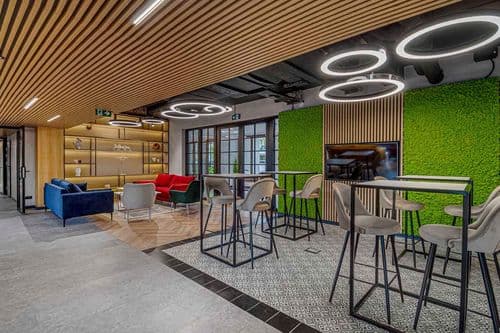
What are Community Spaces & why are they important?
What are Community Spaces & why they matter by Vonder
READ MORE