Best Things to Do in Warsaw: Your Essential City Guide
Destroyed, rebuilt, and more alive than ever. Welcome to Warsaw.
Warsaw hits you all at once. It has a mix of rebuilt medieval buildings and shiny new skyscrapers. The city has been destroyed and rebuilt many times, which gives it a really cool, tough energy. If you are planning to visit or move to Warsaw, here is a guide to the best things to do in the city.
The Old Town - Where Warsaw's Story Starts
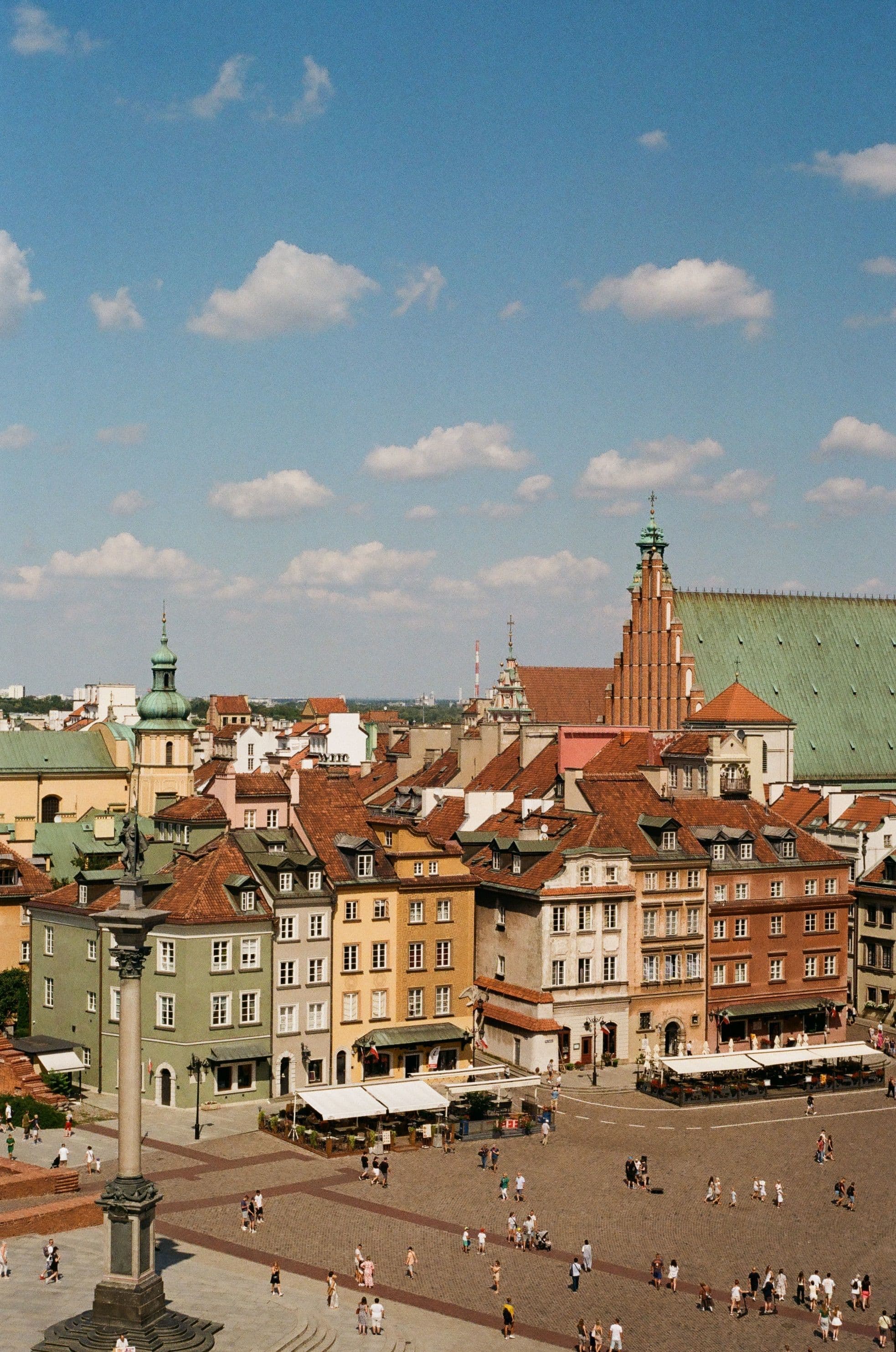
Warsaw’s Old Town is the perfect place to start your trip, and for good reason. While it looks like a perfectly preserved neighborhood from the Medieval times, it was actually completely rebuilt from scratch. It stands today as a powerful symbol of what an entire population can achieve when they refuse to give up. By the end of World War II, roughly 85% of Warsaw had been destroyed. The city's reconstruction teams rebuilt the Old Town almost entirely from any proof they had like historical paintings, documents, and photographs. They worked stone by stone to recreate what had been lost. In 1980, UNESCO recognised it as a World Heritage Site for its beauty and what it represents.
Today, Castle Square and the Old Town Market Square are lined with pastel-coloured merchants' houses, independent cafés, galleries, and restaurants. Walk the cobblestone alleys, follow the old city walls to the Barbican, and look out for Mały Powstaniec, the small bronze statue of a child soldier, one of the most quietly affecting monuments in the city.
The Royal Castle anchors the square and is worth the entrance fee. Every room has been rebuilt with extraordinary craftsmanship, and the interior includes paintings by Rembrandt and Bellotto whose Warsaw canvases were actually used as blueprints during reconstruction.
The Warsaw Uprising Museum - Essential, Not Optional
If you do one thing in Warsaw beyond walking the Old Town, make it the Warsaw Uprising Museum. Opened in 2004 on the 60th anniversary of the Uprising, it tells the story of the 1944 resistance against Nazi occupation with a level of detail that puts most European war museums to shame. It is interactive, immersive and moving — allow at least three hours.
The museum doesn't shy away from the full complexity of what happened: the bravery of the fighters, the catastrophic civilian loss, and the Soviet decision not to intervene. It is one of the best museums in Europe.
The Palace of Culture and Science
You cannot miss the Palace of Culture and Science. Warsaw's most talked about landmark is a 237-metre Stalinist skyscraper, a "gift" from the Soviet Union in 1955 that has been resented and embraced by the city ever since. Inside its 42 floors you'll find theatres, a cinema, a concert hall, a university, a swimming pool and a museum. The real draw is the observation terrace on the 30th floor, which offers a panoramic view of Warsaw that makes the city's scale and contrast easy to see, the Old Town to the north, the Vistula to the east, the new skyline pressing in from all sides.
Worth knowing: the even newer Varso Tower, completed in 2023 and now the EU's tallest building at 310 metres, has observation decks of its own that offer a staggering aerial perspective of the whole city.
POLIN Museum - A Thousand Years of History
The POLIN Museum of the History of Polish Jews is one of the finest museums in Central Europe. Set on the site of the former Warsaw Ghetto, it covers over a thousand years of Jewish life in Poland across eight permanent galleries. The building itself is architecturally striking and the exhibitions inside are thoughtful. Entrance is free on Thursdays. Allow three hours minimum.
Łazienki Park - The City's Favourite Green Space
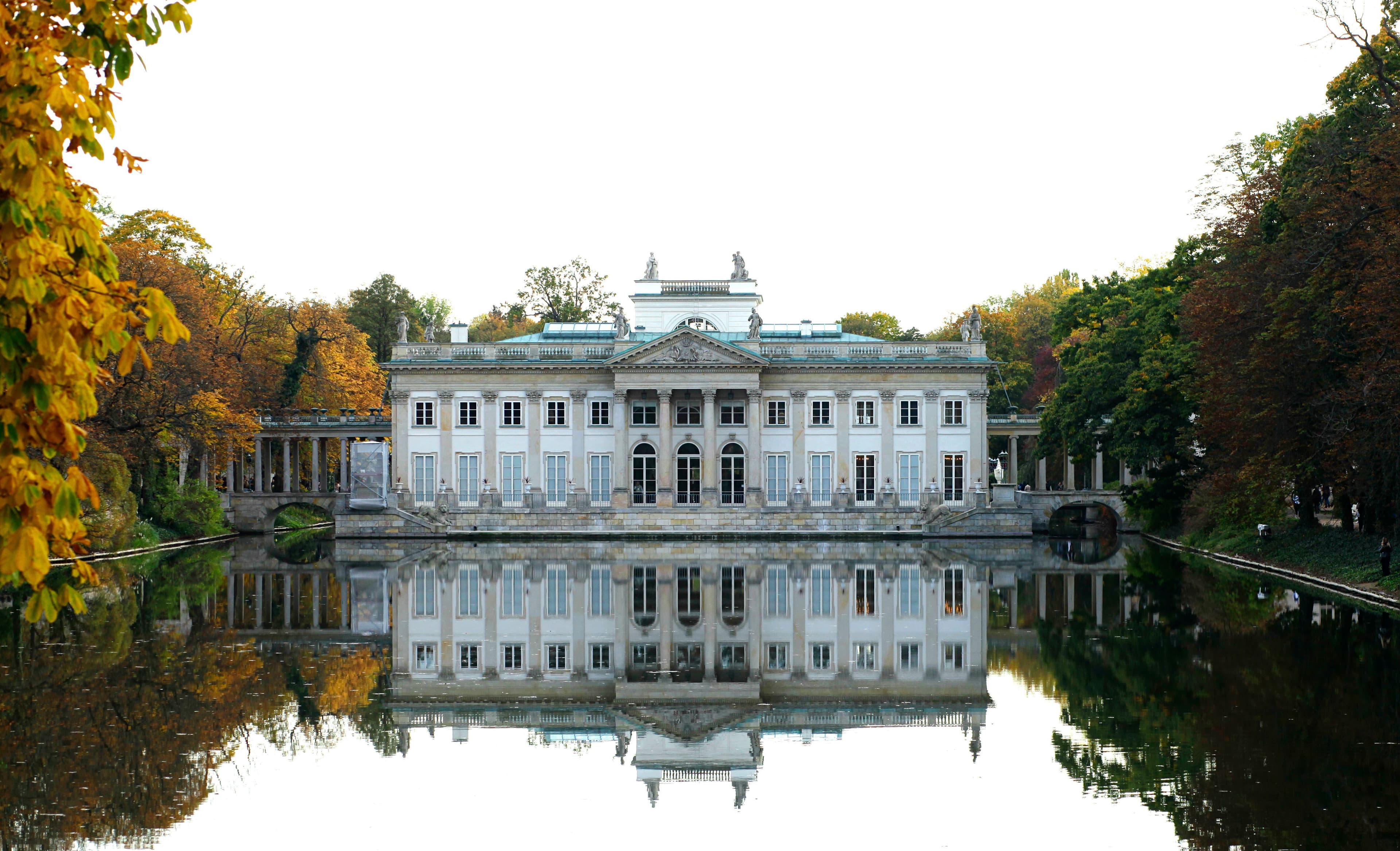
For a city with as much historical weight as Warsaw, its parks are a genuine relief. Łazienki Park is beloved by all: a former royal hunting ground that now holds two palaces, an ornamental lake, an open-air amphitheatre and a classical music stage where concerts take place on summer Sundays. It is the kind of green space that makes you understand why Varsovians love their city so much.
The Saxon Garden, opened as Warsaw's first public park in 1727, is smaller and more formal but beautiful in its own right, with baroque statues, a big fountain and the Tomb of the Unknown Soldier at its edge. Arrive on the hour to catch the ceremonial guard change.
The Vistula Riverfront - The New Warsaw
The Vistulan Boulevards are where the contemporary city comes into its own. From spring through autumn, the riverfront promenade fills with cyclists, café-bar terraces on floating pontoons and a general sense of a city making the most of its best natural asset. Since April 2024, the Kładka na Wiśle, a 452-metre pedestrian and cycling footbridge across the Vistula — has connected the Powiśle neighbourhood on the west bank to Praga on the east, opening up a new way to move through the city.
Praga itself is worth the detour. As the only Warsaw district to survive WWII largely intact, it retains pre-war architecture, an increasingly energetic arts scene and a very different energy to the centre. The new polychromatic mural Urban Jungle on Stefana Okrzei, by artist Tytus Brzozowski, is a good reason to cross the bridge.
Food, Coffee and Nightlife
Warsaw's food scene has transformed over the past decade and rewards exploration. Traditional Polish dishes — pierogi, żurek (sour rye soup), barszcz, bigos — are done well at dozens of restaurants across the city, and the newer generation of Polish chefs has brought a more creative approach to local ingredients. The Hala Gwardii covered market in the city centre is an excellent starting point: a beautifully restored 1920s market hall with independent food traders, coffee kiosks and a decent selection of craft beer.
For coffee, the city has a genuine specialty scene. Nowy Świat, the elegant tree-lined boulevard running south from the Old Town, is a good spine for café-hopping. The nightlife scene is diverse and energetic, particularly in the Praga district and around Żoliborz, which have become the city's more alternative quarters over the past few years.
A Chopin Concert
Frédéric Chopin was born near Warsaw and studied here for years. The city takes its connection to him seriously. Free outdoor Chopin recitals take place in Łazienki Park on Sunday afternoons from May through September, beside the famous Chopin Monument. Indoor concerts run year-round at various locations, including the Fryderyk Chopin Museum, which is itself an excellent stop — an interactive, beautifully designed exploration of his life and work housed in a 17th-century palace.
Why Warsaw Surprises Every Time
Warsaw is often described as underrated, and it is, but not for lack of things to do. It's underrated because the full picture of the city — the resilience, the contradiction, the warmth, the food, the cultural depth — takes a little time to come into focus. Give it that time and it rarely disappoints.
Whether you're visiting for a long weekend or considering it as a place to live, Warsaw is the kind of city that stays with you.
Make Warsaw Home with Vonder
Join the Vonder community and discover how we redefine modern living in one of Europe's most dynamic capitals.
At Vonder, our co-living residences offer the chance to explore new cities as part of a vibrant, supportive community. If you're considering making Warsaw your base, explore our coliving Warsaw apartments, or browse specific properties offering furnished apartments in Warsaw and furnished apartments for rent in Warsaw, Poland. Our properties are designed for convenience and ease, with on-site amenities, a built-in community and a dedicated support team creating comfortable, inspiring environments. We're waiting to meet you.
Vonder Community Yoga Classes in Wembley, Munich and Beyond
Community Yoga Classes in Wembley, Munich, Warsaw & More
READ MORE
Co living East London With Vonder Shoreditch
Experience the best of modern living in London
READ MORE
What are Community Spaces & why are they important?
What are Community Spaces & why they matter by Vonder
READ MORE