Co-living Values
Co-living Values & why they matter by Vonder
No conversation about co-living is complete without honing in on the values that guide it.
There are a number of different definitions of what precisely co-living is. Speak to ten people, and you will more than likely receive ten different definitions or opinions on what co-living means to them. Speak to ten people in ten different cities and you are likely to receive even more diverse options and explanations.
Co-living can look different as you travel around the globe, and it obviously means different things to different people. For some co-living conjures up an approach to housing that harkens back to the communes and shared living experiments of the 1970’s and 1970’s. For others it is a modern approach to housing key to addressing housing inequalities and spiraling property prices that plague many urban centres.
The reality is that these multitude of definitions exist because the flexibility of co-living means it can not only mean different things but take on different forms as well. Not just between cities, but between co-living providers and developers too. Co-living, like all approaches to housing and living, is constantly undergoing a process of evolution that creates different ways to approach it and live it. It is by its nature flexible, and for many this flexibility is what makes it the next big thing in terms of how we live, work and play.
So yes, for some, co-living still involves shared living facilities, much like a dorm. But for others co-living represents something a little different and, dare we say it, a little more comfortable and possibly luxurious too. It can mean private flats and apartments each with their own private spaces (no shared kitchens, or bathrooms here).
But what stays the same, regardless of how a specific type of co-living looks, is its values. No matter how far it evolves, or improves, or becomes more suited to the needs of urban residents, it must importantly stay true to the values that have guided it since the beginning. On this there is no room for flexibility, because these values make co-living what it is at its core.
So what are these values, and why do they matter?
Connection & Community
The guiding principles of co-living rest on the central tenet of connection and community. Co-living is an approach to living that puts relationships first. It is no secret that modern urban life can be isolating, and social isolation rates (and the mental health issues this then creates) are on the rise. Co-living aims to address this worrying and increasing trend and make it possible for like-minded individuals to come together as a community based on where they live.
How co-living developments and providers make connections possible varies. For some it comes through shared facilities, think bathrooms and kitchens, but for others it is built through shared leisure spaces, like gyms, and rooftop terraces and co-working spaces.
Co-living is not about forcing a community together, it is about providing the spaces for individuals to connect as and when they see fit, in ways that make them happy and fulfilled. This can be through shared fitness classes, collaboration in co-working spaces, or simply by virtue of being neighbours on the same floor.
Sustainability
Another core tenet of co-living is a push towards sustainability. Co-living recognizes that our current way of living, where urban residents are spending hours commuting to energy draining offices, is not sustainable. Co-living recognises that cities have a responsibility, not only to reduce their own significant carbon footprint, but to lead the way when it comes to building a more environmentally friendly future for us all.
A co-living development should be built, from the ground up, with sustainability in mind. From the design of the building, to the technologies and services used to make the building run, to the ways residents are encouraged to build sustainability into their daily lives, co-living knows we need to do better when it comes to protecting the environment.
Flexibility
As our work becomes more flexible, so too we are starting to demand the same from where we live. This means the ability to move within cities, between cities, and across continents without a second though. The world is more mobile and more international than ever before, and interconnecting co-living developments with properties around the world make it easier for us all to be global citizens.
What does this flexibility look like? It means a range of renting options, from the short term to the longer term. This means from a few months, to a few years. It means knowing you can move from one place to another, without needing to worry about furniture, and connecting utilities, and that ever essential WIFI hookup. It means you move in, and everything is done and ready. It also means if you have an issue with your flat or apartment, there is someone there to handle it, so you don’t have to. Co-living is about providing the very best living experience regardless of the location (although we highly recommend our locations, with all inclusive flats to rent in London, Berlin, Warsaw, and Dubai).
So no matter how the face of co-living may change, or how it may evolve - as long as it stays true to its guiding values, it will still remain the best way to live within a city. At Vonder the values of co-living influence everything we do, from the way we design our apartments, to the way we run our Vonder app. Providing the very best living experience, while also fostering and nurturing a community is central to our values, and we remain committed to those each and every day.
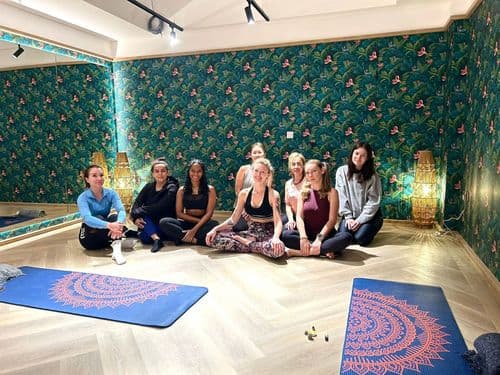
Vonder Community Yoga Classes in Wembley, Munich and Beyond
Community Yoga Classes in Wembley, Munich, Warsaw & More
READ MORE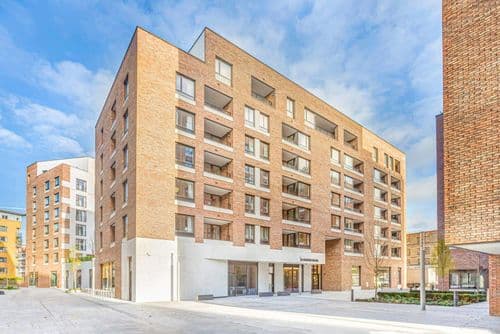
Co living East London With Vonder Shoreditch
Experience the best of modern living in London
READ MORE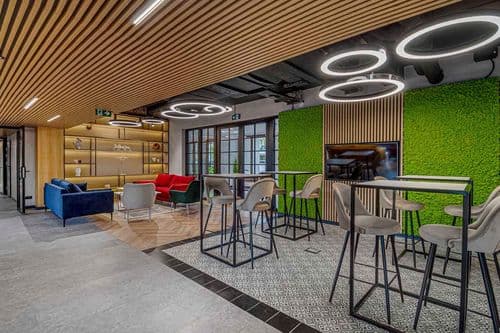
What are Community Spaces & why are they important?
What are Community Spaces & why they matter by Vonder
READ MORE