Do Office Spaces Have a Future?
Do Office Spaces Have a Future? - by Vonder
It’s been a bad few years for office spaces, which begs the question: do office spaces have a future?
It’s been a bad few years in general due to the global pandemic, but office spaces in particular have taken a hammering. That’s because the reasons for shifting away from office spaces aren’t all due to COVID-19 (or even what is wrong with them in particular). There are many other factors at play.
Here is a roundup of why we are calling the future of office spaces into question:
The rise of remote working.
This was a trend in full swing and on an upward trajectory before a global pandemic reared its ugly head. As more and more workers work from anywhere, when all they need is a laptop and a good internet connection, the need to have large, expensive, permanent company offices begins to fall out of favour. At the very least, reducing office sizes cuts costs. Happy employees are good employees, and many prefer remote working. Either way, the rise of those working from home has been a very real threat to the future of traditional office spaces for a long time.
Some offices just don’t work.
There are many examples of great offices out there - offices designed with their workers' comfort in mind, from the furniture, to the lighting, to the colours, to the fully-stocked kitchens, to the built-in gyms. But for many employees, these offices are nothing more than a dream and not the norm. Uninspiring, uncomfortable office spaces are giving them all a bad name. And it’s not just about comfort. One of the big pluses of working in an office is the ability to interact with a team - to share ideas, to socialise together - but many offices are just not built to encourage or sustain these interactions. This is more of a danger to the future of office spaces than uncomfortable chairs.
Accessibility is an issue.
Many office spaces occupy their own part of the city, be it a commercial area, zone, or park. This means that getting to them involves some amount of travel or commuting. Even if they are located close to centrally located residential areas, many employees are being pushed further and further out by rising home and rental prices. People’s desire to commute is waning, and in the process making traditional office spaces less popular than ever before.
There is a fix.
The future of office spaces may look bleak, but many of these issues are fixable. This would save office spaces and all that is good about them - collaboration, social interaction, and productivity.
So how do we save office spaces? They will have to accept a degree of change in how they look and are used.
Office spaces can adapt to meet the demand for remote workers. Not everyone can or wants to work from home. Many remote workers want working spaces and offices, but they want them to operate differently. The most important factor is to find flexible office spaces close to home, which is best addressed with co-working spaces. This gives them control of when they come and go, where they sit, and how they interact with others. Everything is set up to work from day one, and for many, the addition of community spaces and events is important too.
Co-working spaces are on the rise in many cities and have been for a while. This is one direction in which working spaces are moving. Office spaces will need to be adaptable, in the same way all urban infrastructure and spaces must be if they are to survive advancement and change.
We need to rethink not just the design of offices, but how they are used. Making them places people want to come to again is the only way to ensure their survival in the long term. Involving employees in the setting up of their office helps because it is a nod to human-centric design and puts the user at the centre. Flexibility is the word to watch for again. Giving people office spaces that can be changed according to how they are used is essential. Including spaces that enhance the lives of those who use them, from gyms to green spaces, is all the better for their survival too.
We also need to consider where offices are located. People want to go to the office if they are closer to home. So maybe we need to consider combining the two, either by moving housing into office buildings or offices into housing complexes. This is beginning to happen already, but this process needs to be implemented more quickly.
This is about more than adding co-working and community to buildings or neighbourhoods, although this should continue to be encouraged. This is about rethinking how we all live, work, and play. It affects the very fabric of how we build and use our cities, but to guarantee the long-term sustainability of office spaces, it is the only way.
Interested in being part of the solution? If you’re ready to experience the benefits of co-living, explore Vonder’s options across various cities. Explore our co living London properties, or check out our vibrant coliving Warsaw or coliving Berlin communities. Vonder properties are designed with convenience and ease in mind, offering on-site amenities, a supportive built-in community, and flexible leases. Whether you're a digital nomad or a professional, our spaces provide a safe, comfortable, and inspiring environment tailored to modern urban living. Start your co-living journey with Vonder today!
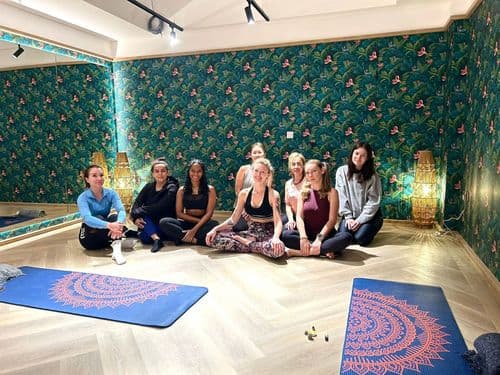
Vonder Community Yoga Classes in Wembley, Munich and Beyond
Community Yoga Classes in Wembley, Munich, Warsaw & More
READ MORE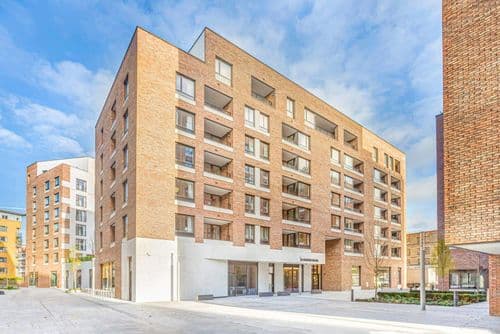
Co living East London With Vonder Shoreditch
Experience the best of modern living in London
READ MORE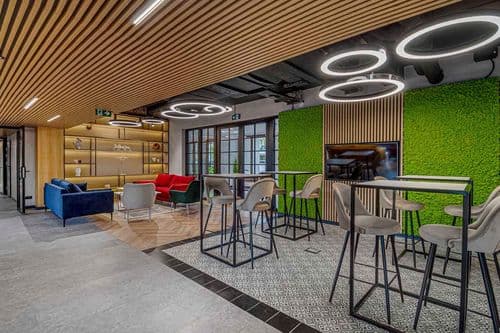
What are Community Spaces & why are they important?
What are Community Spaces & why they matter by Vonder
READ MORE