From Car Parks to Homes - Urban Planning is all about Adaptability
Urban Planning is all about Adaptability by Vonder
The decline of physical retail - the demise of the high street, and the rise of online shopping (a trend fully established and in full growth mode even before a global pandemic kept many of us at home for months at a time, and in need of a safer way to shop) - have posed a number of interesting questions for retailers.
The first of course, is how do they adapt their businesses to meet the demand for online shopping. Most of them have managed this with better websites, and improved delivery options. Increasing the numbers of their goods available online and improving the reliability of their deliveries, have meant many large and medium-sized retailers have adapted to the changes reasonably well.
For many retailers these changes have been highly necessary as 2020 saw the number of digital buyers in the UK reach 45.4 million, a figure that makes up a whopping 81.81% of the population. Online shopping is going from strength to strength.
Communities in flux
However, beyond the immediate changes to our shopping habits and how we shop, this shift is set to have an unprecedented knock on effect on our cities as well. How so? Let’s take a look at this in detail.
In 2020 the UK lost 17,500 chain store outlets. This means physical stores that were closed due to a lack of sales or projected poor performance. Most of these closures were attributed to the shift towards online shopping. Apart from the obvious job losses this also means something, initially, very worrying for urban centres and high streets.
Empty shops leave gaps in once busy and bustling high streets, many of which have been important centres of community activity for decades, across the UK and its cities and towns, and create empty spaces where once there was life. As more shops vacate, it becomes harder to fill them, and harder to attract people to deserted areas. Once busy community centres become quieter and disused and in the long run inflected.
All of this can be negative in its impact on a neighbourhood. It also further alienates those who may not have access to online shopping options (either due to age, income or education) and leaves some neighbourhoods lacking essential and important retail services.
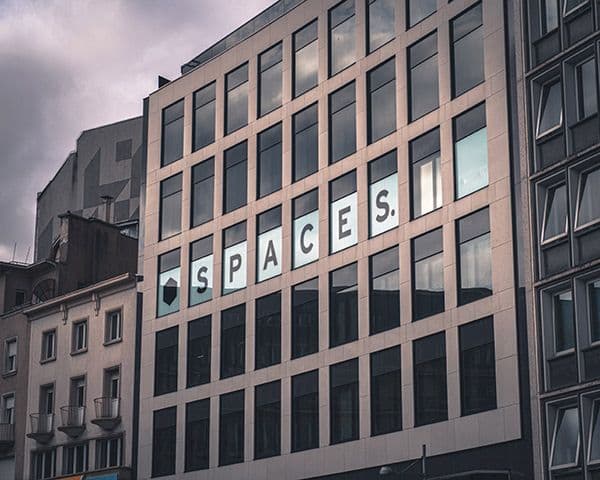
Adaptability first
For retailers it means they suddenly have large amounts of property on their hands - property that is not being used. One option is for them to get rid of it and sell it on, but some retailers are using this change and their empty properties to be a part of the evolving nature of our cities and their developments.
They are taking a negative and doing what they can to turn it into a positive - by repurposing empty retail spaces into residential and office spaces. This then breathes new life into areas and communities, and proves how important adaptability is to the future of our cities and to the future of its residents. This is what should be inspiring the future of our urban planning first and foremost.
Sometimes this repurposing of urban spaces also aims to address other urban issues facing cities as they grow and expand. London, for example, is experiencing something of a housing shortage and there is a real need for more houses.
But this is where unused retail space and their owners come in. John Lewis, that infamous UK department store, is tackling these changes by turning some of its existing shop car parks into rental housing across the UK. They plan to create 10,000 homes over the next ten years, in a project that looks set to address what to do with underused retail spaces, and how to improve housing supply where it is needed most.
"As a business driven by social purpose, we have big ambitions for moving into property rental to address the national housing shortage and support local communities," said John Lewis executive director of strategy and commercial development Nina Bhatia.
Sometimes change is not always positive - especially when we are not prepared for it, or when it increases seemingly from nowhere in a very short time. However cities and those who build them are able to prove time and time again that it is their adaptability which transforms negatives into positives, and breathes new lives into cities and their neighbourhoods, while doing what they can to also address crucial social issues.
We are entering a time of great change and transition, as physical retail declines, but as long as we stay committed to adaptability and urban planning that puts city residents first, what started out as something that threatened to rip communities apart, will end up bringing them together and drive them to become stronger than ever before.
Looking for a change? Vonder has some great co-living complexes across London. Check out our evolved approach to how we live, work and play.
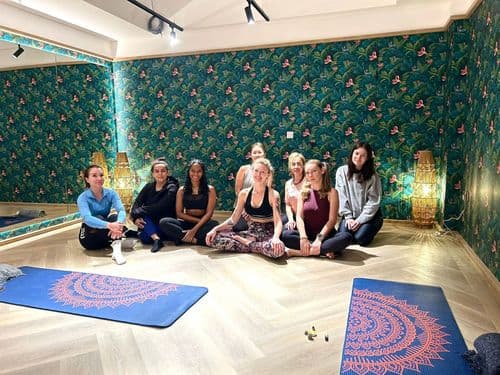
Vonder Community Yoga Classes in Wembley, Munich and Beyond
Community Yoga Classes in Wembley, Munich, Warsaw & More
READ MORE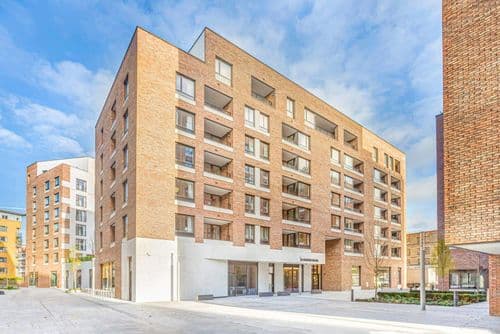
Co living East London With Vonder Shoreditch
Experience the best of modern living in London
READ MORE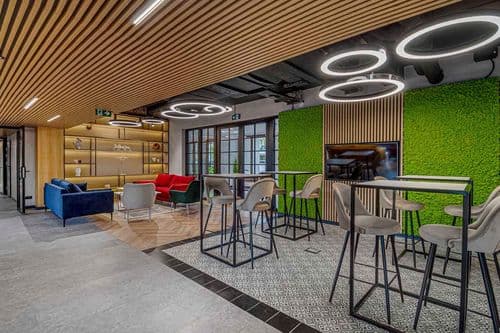
What are Community Spaces & why are they important?
What are Community Spaces & why they matter by Vonder
READ MORE