Nature in the City
Nature in the City by Vonder
All cities need more nature. But how exactly we go about that will vary from city to city.
We take a look at some of the options cities have at their disposal when it comes to prioritizing nature in the city.
There are two main points to consider first, as both have a profound impact on and are significant driving factors behind the demand for increasing the ratio of nature to man-made in our urban areas.
Everyone in
The first is that cities are increasingly home to a large percentage of our global population. In 1950, 50% of us lived in urban centres, in 2020 that figure stood at 55%, and by 2060 the UN it will be at 66%. With the majority of us living in cities, it makes it imperative we prioritize improving life within them. It also means cities will get larger, more crowded potentially and we will need to be more creative when it comes to widening and increasing the beneficial influence of nature on the lives of urban dwellers.
This is not a new concept - Victorian social reformer Ebeneezer Howard, created his Garden Cities of To-morrow manifesto back in 1898. He advocated for the creation of neighbourhoods that combined the best of the urban and rural, including homes surrounded by plenty of nature while still being accessible to work and shops.
The downside of urbanisation
Hand in hand with this rapid urban growth comes something potentially detrimental. Actually several things. Air pollution is an issue in our urban centres, up to 9/10 of us are breathing air that is beyond recognized safe limits. Urban heat is also another issue, and is an increasing concern as a cause of premature death. When we completely replace the natural with the man-made we unbalance ecosystems and deprive city residents of much needed natural resources and spaces.
Bringing nature back
Bringing nature back into our cities will have many potential benefits. Apart from that, greater and regular exposure to nature makes people happier, less stressed and physically healthier - we are also protecting our cities for the future, including predicted weather changes, but combining the natural and the man-made in its own urban ecosystem.
The introduction of the right kind of greenery in the right places, can help prevent urban flooding, for example. It can help reduce air pollution and filter out harmful particles. It can also cool cities, reducing the urban heat effect. This is more than just making people happier, it is about protecting our infrastructure and way of life as well.
Studies from North America show that trees planted along California streets provide what is known as a flood regulation service amounting to US$1billion a year. Mangrove forests replanted in Mexico provide an estimated US$70bullion worth of storm protection (and tourism) a year. They protect and also sometimes provide additional sources of revenue too.
Cities understand the need to protect what green spaces they still have, and balancing this with the needs of new development is not easy but is increasingly necessary. In Singapore, as one example, developers whose buildings supplant green spaces must replace 100% of it somewhere else. This is why roof gardens have become a familiar sight in this tiny, urban country. But what it does show is that there is always a way - once we understand the importance of protecting and reintroducing nature to our cities, all it takes is some creativity to make it happen without sacrificing new development and the running of our cities.
Other examples of bringing nature back into our cities emphasize the importance of creativity in how we do it. When we think of green spaces we tend to think of acres and acres of land, but this doesn’t always have to be the case. Sometimes we have to use what space we have, and in some cities this may be limited. It doesn't mean however that there is nothing to be done, in fact the opposite.
It began in India - tiny forests measuring no larger than the size of a tennis court - containing around 600 trees from around 40 different species. In 2015 tiny forests matching this description were introduced in Zaanstad, Holland. Since then 12 more have been planted around the Netherlands with 100 being the short term goal.
Wider needs
Cities, more than any other environment, understand and appreciate the mantra, ‘where there is a will, there is a way,’- they are more capable than any other living environment of evolving and adapting to meet the needs of their residents, and the wider needs of the environment and planet.
In order to project themselves, from flooding and rising air pollution, cities must focus on bringing nature back. Whether this is through more roof gardens, urban agriculture, tiny forests or growing walls - nature and the cities must come to a truce and help each other embrace and face the future.
At Vonder our all in one living prioritises all of our residents needs, from rooftop terraces and gardens, or locations close to some of the leading city's greenest spaces, we believe in the impact of nature everywhere.
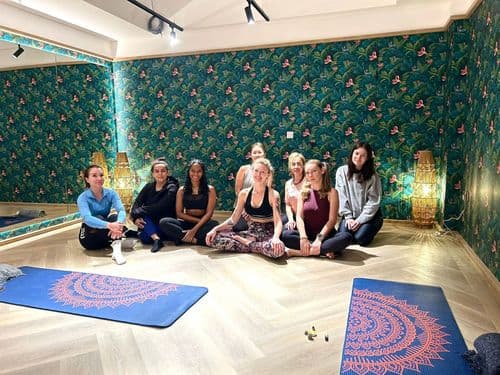
Vonder Community Yoga Classes in Wembley, Munich and Beyond
Community Yoga Classes in Wembley, Munich, Warsaw & More
READ MORE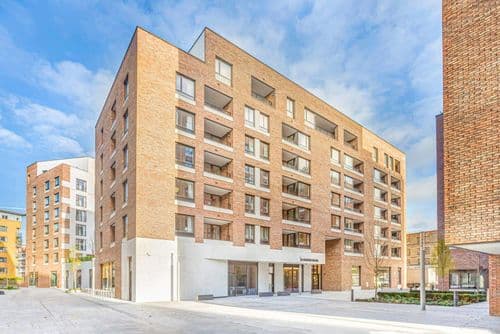
Co living East London With Vonder Shoreditch
Experience the best of modern living in London
READ MORE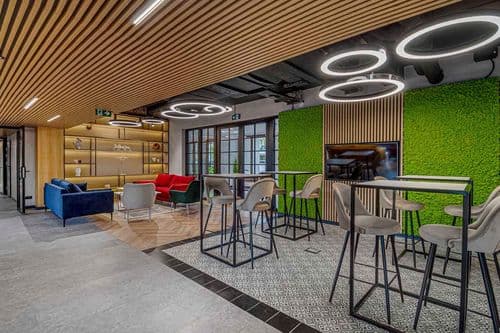
What are Community Spaces & why are they important?
What are Community Spaces & why they matter by Vonder
READ MORE