The Case for a Shorter Work Week
The Case for a Shorter Work Week by Vonder
When it comes to achieving the perfect work-life balance, is a shortened work week the answer?
If the events of the past year plus have taught us anything, it is that when it comes to working we are all a lot more flexible than we thought we were. Over a year ago many of us were rushed home from offices and found ourselves, often for the first time, working remotely. For many of us this meant working from hastily assembled home offices, or spare bedrooms.
This shift affected not only where we work, but how we work too. Freed from a permanent office, many of us were able to find some degree of flexibility in our working hours. Our working days have migrated away from the normal 9am-5pm grind they had before. Our days, also free from a morning and afternoon commute, began to look a lot different too.
This was not an easy transition for everyone - not least for those juggling families, and other personal commitments while hastily scrambling together an in-home office at insanely short notice. But over a year later, remote work seems here to stay and more popular than ever before. For many people, a return to an actual office no longer seems as appealing as it might have 18 months ago.
And despite fears from some quarters, productivity has not dropped as thousands of people learnt to work from home, in fact some studies seem to suggest the opposite - that when people have control over their own hours, they work better, harder and more productively.
Maybe, just maybe, that old adage - happy workers are productive workers - is truer now than ever before, and maybe, just maybe the real secret to the work-life balance debate is remote work, or at least more flexible work.
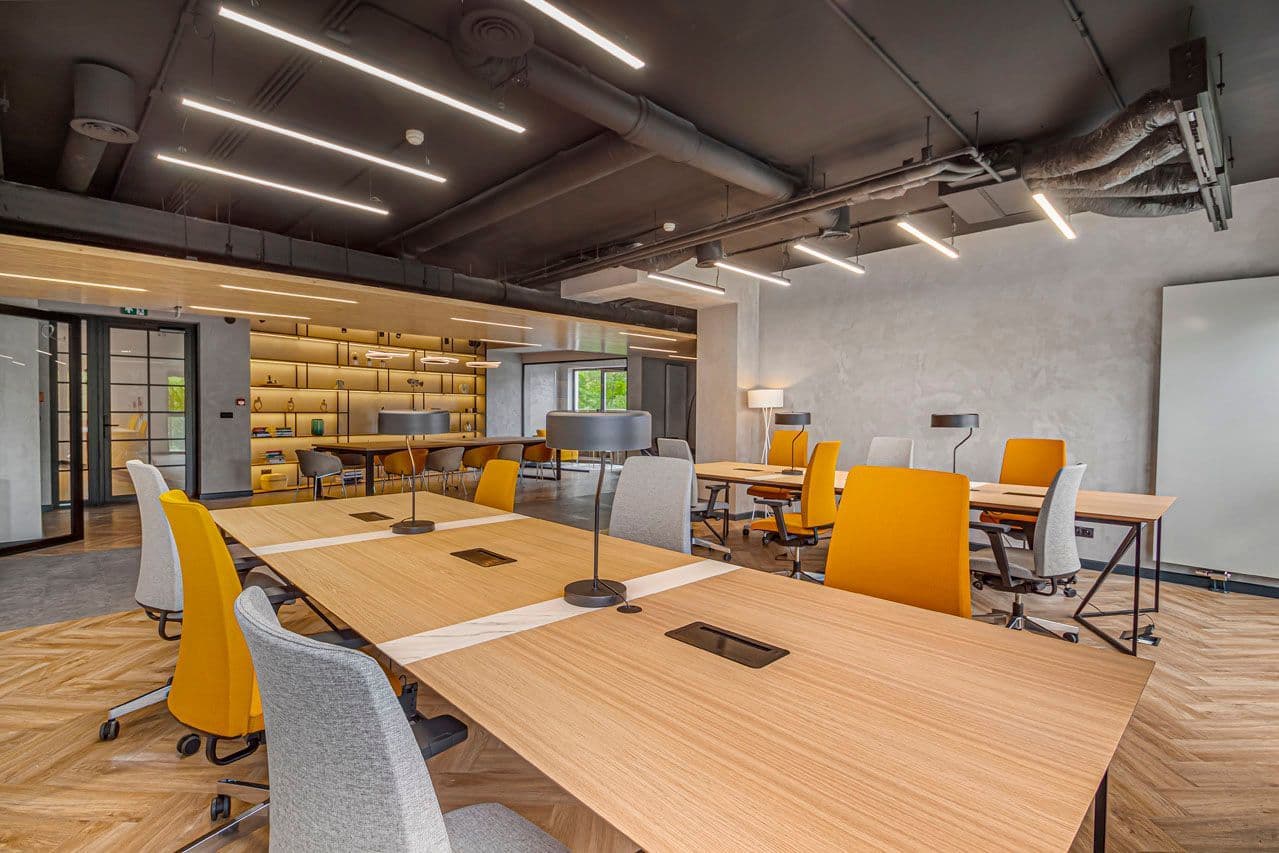
The case for a shorter work week
If we are more productive at home, if our role can be performed remotely, and if we are finding that all of this means work that we usually forced into five days (and anywhere from 8 hours a day up) can actually be done, just as well (if not better) in less time - so maybe it is time to talk about reframing how we plan working hours, days and ultimately expectations of working time too.
We are already involved in discussions to continue allowing many employees more flexibility in where and how they work - with hybrid working models (a mix of working from home, with working from an office) and other possibilities (including staggered working hours to account for employees personal and family commitments) on the table and under discussion. So why don’t we take this just one step further and consider a shorter working week at the same time?
Iceland is working less
Recently 25000 workers in Iceland (accounting for more than 1% of its workforce) underwent a study to try and understand if a shorter workday not only created a happier and more satisfied workforce, but if shortened working hours also led to a more productive workforce at the same time. Workers were taken from a range of different industries and workplaces to try and make the study as representative as possible.
The study ran between 2015 and 2019, and workers were given 35-36 hour working weeks without seeing any resultant drop in their salaries and pay.
So were the results all they promised to be? Ultimately, yes and importantly for both employees and employers as well.
Following the end of the study until 2021, around 90% of the Icelandic workforce are now working shorter hours or have the right to request shorter hours, based on the study’s success. The study was used by Icelandic Trade Unions to establish reduced working hours for most of the country’s workforce.
Shorter hours did not lead to a drop in productivity, regardless of the role or type of work a test subject performed. In fact productivity levels remained the same. People were working less, but working to the same standards as they were with longer hours.
At the same time, and this is what is most important, worker wellness and mental health rebounded, with less reports of stress-related conditions and an overall sense of having achieved a much better work-life balance amongst workforces. People were happier.
Iceland is not alone, countries from Spain to Japan are in the process of trialing or planning to trial four day working weeks. And there are calls for a similar trial to start in the UK, with support coming from members of parliament too.
Flexibility is the future
While it may take time for a shorter work week to become the norm in many countries, and industries, what we do know is that a more flexible approach to work - whether it’s where we work, or how many hours a week we work - means a greater emphasis on employee happiness and wellbeing. And that this in turn protects workplace productivity because ultimately our best work happens when we are feeling balanced.
Vonder’s co-living complexes are equipped with everything you might need, as someone working remotely or from home at least some of the week - we have some great co-working spaces designed to be the perfect place to work, whether alone or in collaboration with others. We also have some amazing communal spaces, for after work, or in-between work that aim to help our residents establish connections and that crucial work-life balance. So come join us in our co-living London, Berlin, Warsaw or Dubai locations - the perfect places to get the ultimate work-life balance right.
Vonder Community Yoga Classes in Wembley, Munich and Beyond
Community Yoga Classes in Wembley, Munich, Warsaw & More
READ MORE
Co living East London With Vonder Shoreditch
Experience the best of modern living in London
READ MORE
What are Community Spaces & why are they important?
What are Community Spaces & why they matter by Vonder
READ MORE